
Get Advice on

Bridging Loan

Whether you need short-term funding, our bridging finance solutions are built to move quickly when timing matters most. We help you secure flexible funding to bridge gaps, complete purchases, or take advantage of opportunities without unnecessary delays.

Get Expert Advice

Choose how you'd like to connect with us

Bridging Loan Overview

What Is A Bridging Loan

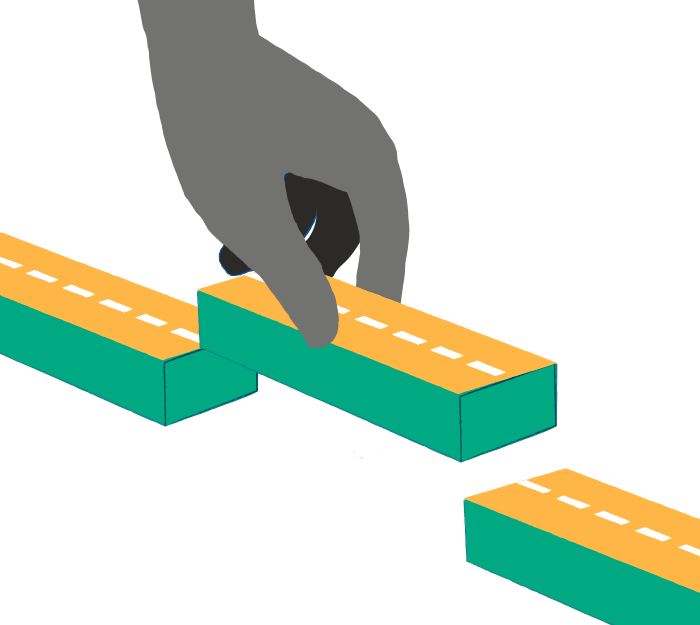
A bridging loan is a short-term loan secured against property, designed to help you move quickly when there is a gap in funding. It is commonly used when you want to buy a new property before selling your current one, purchase at auction, or secure a time-sensitive investment. Unlike a standard mortgage, it focuses on speed and flexibility rather than long-term affordability, which is why funds can often be arranged within days or weeks.

These loans are typically used for short periods, usually between a few months and up to 12 months. They are suitable in situations where waiting for a traditional mortgage could cause you to miss an opportunity.

How do bridging loans work in practice?

A bridging loan works by allowing you to borrow against the value of a property or multiple properties. The lender assesses the property value, the loan amount required, and most importantly, your plan to repay the loan.

Once approved, the funds are released so you can complete your purchase or project. You then repay the loan in full at the end of the agreed term. This repayment plan is known as the exit strategy, and it is a key part of any application.

Most borrowers repay bridging loans by selling a property or refinancing onto a standard mortgage once the situation becomes suitable for long-term lending.

What are the common uses of a bridging loan?

Bridging finance is widely used across different property scenarios where speed is essential. One of the most common uses is breaking a property chain, allowing you to proceed with a purchase even if your current property has not yet sold.

It is also frequently used for auction purchases, where buyers must complete within strict deadlines, often within 28 days. In addition, property investors use bridging loans to fund refurbishment projects, especially when a property is not in a condition that would qualify for a mortgage.

Other uses include buying unmortgageable properties, funding development projects, or raising short-term capital for business or investment purposes.

What types of bridging loans are available?

Bridging loans come in different forms depending on your situation. One key distinction is between open and closed bridging loans.

An open bridging loan does not have a fixed repayment date, although lenders still expect repayment within a relatively short period, usually within a year. This option offers flexibility but often comes with higher interest rates.

A closed bridging loan has a fixed repayment date, typically linked to a confirmed event such as an agreed property sale. Because the repayment is more certain, lenders often offer more favourable terms.

You can also choose between first charge and second charge loans. A first charge loan is secured against a property with no existing mortgage, while a second charge loan sits behind an existing mortgage and usually requires permission from the main lender.

How much can you borrow with a bridging loan?

The amount you can borrow depends mainly on the value of the property used as security and your overall circumstances. Most lenders offer up to 70 to 75 percent loan to value, although this can vary depending on the deal and risk profile.

Bridging loans can range from smaller amounts, such as £25,000, to several million pounds for larger projects or investments. Unlike traditional mortgages, the focus is less on your income and more on the strength of the security and your exit plan.

What costs should you expect with a bridging loan?

Bridging loans are generally more expensive than standard mortgages. Interest is usually charged monthly rather than annually, which reflects the short-term nature of the loan.

There are different ways interest can be handled. You might pay it monthly, have it added to the loan and repaid at the end, or retain it upfront as part of the total borrowing.

In addition to interest, there are several fees to consider. These often include an arrangement fee, typically around 2 percent of the loan, valuation fees, legal costs, and sometimes exit or redemption fees. These costs can add up, so it is important to understand the full picture before proceeding.

How quickly can a bridging loan be arranged?

One of the main advantages of bridging finance is speed. In straightforward cases, funds can be arranged within a few days, although most applications take between one to three weeks depending on the complexity.

The timeline can be affected by factors such as property valuation, legal work, and how quickly documents are provided. Working with an experienced broker can help speed up the process and ensure everything runs smoothly.

What is an exit strategy and why does it matter?

An exit strategy is your plan for repaying the bridging loan, and it is one of the most important parts of the application. Lenders need to be confident that you will be able to repay the loan within the agreed term.

Common exit strategies include selling a property, refinancing onto a mortgage, or using funds from another source such as business income or investments.

Without a clear and realistic exit plan, it is unlikely that a lender will approve your application. This is because bridging loans are not designed for long-term borrowing.

What are the advantages of using a bridging loan?

The main benefit of a bridging loan is speed. It allows you to act quickly in competitive situations where delays could mean losing a deal. This is particularly useful in auctions or when a property chain breaks down.

Bridging loans are also flexible. They can be used for a wide range of purposes, including properties that traditional lenders may not accept. In some cases, they also allow you to defer payments until the end of the term, which can help with cash flow.

What are the risks of a bridging loan?

While bridging loans can be useful, they do come with risks. Because they are secured against property, your asset is at risk if you fail to repay the loan.

The cost is another important factor. Higher interest rates and fees mean that bridging finance should only be used when necessary and for a clear purpose.

There is also the risk of delays with your exit strategy. For example, if your property takes longer to sell than expected, the loan term may need to be extended, which can increase costs.

Is a bridging loan the right option for you?

A bridging loan can be a powerful tool when used correctly, especially in time-sensitive property transactions. However, it is not suitable for every situation.

It works more suitable when you have a clear plan, a defined timeframe, and a strong exit strategy in place. If a cheaper and more suitable option such as a standard mortgage or remortgage is available, it is usually worth considering first.

Speaking to a specialist broker can help you understand whether bridging finance is the right fit and ensure you access the most suitable deal for your circumstances.

Related Services

Explore Our Other Mortgage Services

Looking for something different? Here are other mortgage solutions we offer